11 Ways Your Home Wastes Power and How You Can Fix It

Energy efficiency is a major concern for homeowners today. High utility bills, wasted energy, and environmental impact all make it important to examine how your home consumes power. Surprisingly, many energy losses happen in ways homeowners rarely notice. From heating and cooling to water heating and air leakage, small inefficiencies add up to significant waste.
Understanding where your home loses power allows you to take actionable steps to reduce consumption, lower costs, and improve comfort. Professionals such as electricians can provide expertise in diagnosing and correcting these problems. Additionally, services like water heater service, spray foam insulation, window replacements, air duct cleaning service, and high-efficiency upgrades such as high efficiency gas furnace or fireplaces can make a measurable difference in energy savings.
This guide covers 11 common ways homes waste power and provides practical solutions to fix them. Following these tips not only helps the environment but also enhances home comfort and protects your wallet from unnecessary energy expenses.
1. Poor Insulation
One of the most significant ways homes waste energy is through inadequate insulation. Heat can escape through walls, attics, and basements, forcing heating systems to work harder in winter and cooling systems to overcompensate in summer. Many homes, particularly older ones, have insulation that has settled, deteriorated, or was never installed to modern standards.
Spray foam insulation is an effective solution that seals gaps and creates a barrier against heat transfer. It can be applied to walls, attics, and crawl spaces, improving both comfort and energy efficiency. Proper insulation also reduces the workload on HVAC systems, lowering utility bills and extending equipment life.
Working with professionals ensures insulation is applied correctly. An HVAC contractor or certified installer can assess your home, identify areas of heat loss, and recommend appropriate materials and methods. Combined with other measures like window replacements, you can dramatically reduce wasted energy and enjoy a more consistent indoor climate year-round.
2. Leaky Windows and Doors
Air leaks around windows and doors are a common source of wasted power. Even small gaps allow conditioned air to escape, making heating and cooling systems run longer and consume more energy. Drafty doors and worn seals around windows can go unnoticed but can significantly impact efficiency.
Investing in modern window replacements with proper weatherstripping and energy-efficient glass can greatly reduce heat loss. High-quality windows not only improve insulation but also minimize condensation and maintain indoor comfort. Professional installation ensures that all gaps are sealed and the frames are properly aligned to maximize efficiency.
Additionally, simple measures like adding door sweeps, caulking, and checking seals annually help maintain performance over time. Addressing air leaks around windows and doors is a relatively low-cost improvement that yields immediate energy savings and improves your home’s overall comfort.
3. Inefficient Heating Systems
Outdated or poorly maintained heating systems are major energy wasters. Older furnaces and boilers often operate at lower efficiency levels, consuming more energy to maintain desired temperatures. Even modern systems require regular inspection to ensure optimal performance.
Installing a high efficiency gas furnace can provide substantial energy savings, reducing gas consumption while maintaining consistent warmth. Routine servicing by HVAC contractors helps maintain efficiency, identify potential failures, and extend equipment lifespan. Additionally, ensuring ductwork is sealed and clean minimizes energy loss and improves airflow throughout the home.
Neglecting furnace maintenance can result in uneven heating, wasted energy, and higher utility bills. Regular inspections, cleaning, and timely upgrades allow homeowners to maximize efficiency, reduce waste, and enjoy a more comfortable home during cold months.
4. Poorly Maintained Water Heaters
Water heating accounts for a significant portion of home energy use. Inefficient or aging water heaters waste energy by heating more water than necessary, failing to maintain temperature, or leaking. These problems often go unnoticed until bills increase noticeably.
Scheduling regular water heater service ensures your system operates efficiently and lasts longer. Professionals can flush sediment buildup, inspect for leaks, and adjust temperature settings to balance comfort with energy savings. Upgrading to a modern, energy-efficient water heater also reduces power consumption without sacrificing hot water availability.
Addressing water heating issues prevents unnecessary energy waste and can prevent costly damage caused by leaks. By maintaining your water heater and considering high-efficiency options, homeowners can enjoy reliable hot water while minimizing energy loss.
5. Dirty or Leaky Air Ducts
Air ducts that are clogged, leaky, or poorly insulated force HVAC systems to work harder, wasting energy and reducing indoor comfort. Dust, debris, and mold buildup in ducts can also impact air quality and system efficiency.
Hiring an air duct cleaning service can remove blockages, improve airflow, and reduce energy consumption. Professionals can inspect ductwork for leaks and seal connections, ensuring conditioned air reaches the intended areas efficiently. Well-maintained ducts complement other energy-saving measures like insulation upgrades or furnace replacements, maximizing overall efficiency.
Regular maintenance prevents long-term damage to HVAC equipment, reduces energy waste, and maintains healthier indoor air. Proper duct care is an often-overlooked but essential component of a home’s energy-saving strategy.
6. Uncontrolled Fireplaces
Fireplaces can create cozy spaces but are notorious for energy waste if not used correctly. Open chimneys allow warm indoor air to escape in winter and cool air to leak out during summer, increasing the load on heating and cooling systems.
Installing energy-efficient inserts or dampers can help control airflow and reduce wasted energy. Proper maintenance, including cleaning chimneys and inspecting flues, ensures fireplaces operate safely and efficiently. Fireplaces with sealed doors or glass fronts can provide warmth while minimizing heat loss, making them both functional and energy-conscious.
By addressing fireplace inefficiencies, homeowners maintain comfort without unnecessary energy expenditure. Combining fireplace upgrades with other measures, such as insulation and duct sealing, maximizes savings and improves indoor climate control.
7. Roof and Attic Heat Loss
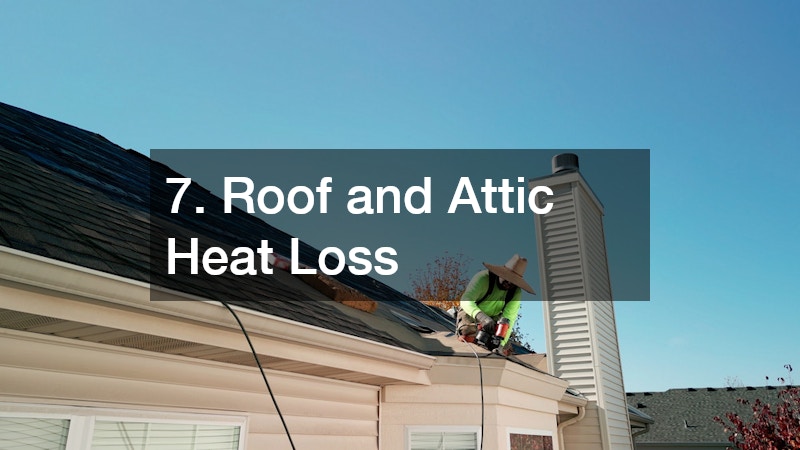
A poorly insulated or damaged roof can allow heat to escape, wasting energy and raising utility costs. Attics, in particular, are often overlooked areas where heat transfer occurs. Gaps, leaks, or insufficient insulation reduce overall home efficiency.
Working with a reliable roofing company can identify leaks, structural issues, and insulation gaps. Installing proper insulation, venting, or reflective roofing materials keeps heat inside during winter and outside during summer. Addressing attic and roof issues not only improves energy efficiency but also protects your home from moisture damage and structural problems.
Regular inspections by professionals help prevent small issues from becoming major energy-wasting problems. A well-maintained roof complements other efficiency improvements, including spray foam insulation and window upgrades, for a comprehensive approach to reducing power loss.
8. Inefficient HVAC Operation
HVAC systems that are poorly maintained, oversized, or incorrectly installed can consume excessive energy and drive up utility bills. Common issues like dirty filters, blocked vents, unbalanced airflow, and failing components reduce system efficiency and compromise comfort throughout the home. An overworked HVAC system not only wastes energy but also experiences increased wear and tear, which can lead to more frequent repairs and a shorter lifespan. Homes with improperly sized units may struggle to maintain consistent temperatures, creating hot or cold spots and forcing systems to cycle more frequently.
Routine inspections by HVAC contractors ensure that heating, ventilation, and air conditioning systems operate efficiently, safely, and reliably. Technicians can clean coils, replace or clean filters, check refrigerant levels, calibrate thermostats, and verify duct integrity to optimize airflow. Upgrading to programmable or smart thermostats allows homeowners to control energy use more precisely, reducing consumption when spaces are unoccupied and maintaining comfort when needed. Energy-efficient components, such as variable-speed blowers or high-efficiency compressors, further reduce wasted power while providing consistent performance.
Proper HVAC operation works best when combined with other energy-saving measures. Pairing routine maintenance with air duct cleaning service, spray foam insulation, and window replacements creates a comprehensive energy-saving strategy. Sealed and cleaned ducts improve airflow, insulation reduces heat loss or gain, and energy-efficient windows prevent drafts, all of which decrease the workload on the HVAC system.
9. Leaks in Plumbing and Water Systems
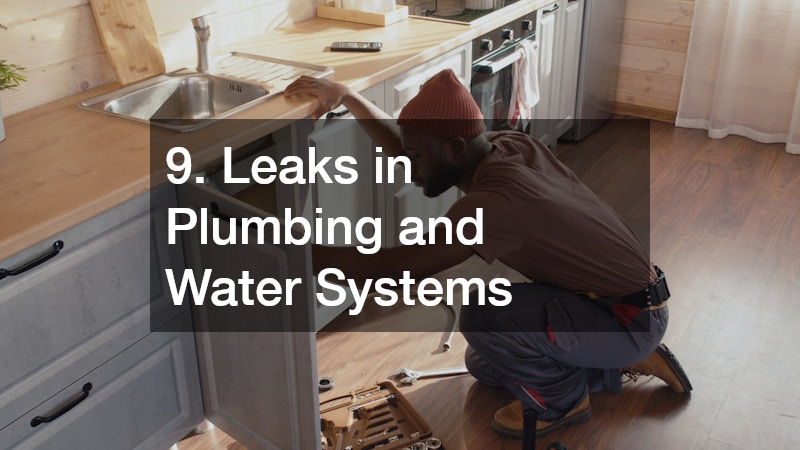
Water leaks are a hidden but significant source of energy waste, as heating systems must work harder to compensate for lost water and pressure drops. Even minor leaks in faucets, pipes, or valves can accumulate over time, leading to unnecessary water and energy consumption. Leaks in hot water lines are especially costly because the energy used to heat the water is wasted, and persistent leaks can cause higher utility bills without being immediately noticeable.
Hiring a plumber to thoroughly inspect your home ensures that leaks are identified and repaired efficiently. Professionals can detect hidden or slow leaks in walls, under floors, or behind appliances that may otherwise go unnoticed. Beyond repairs, plumbers can perform preventive measures such as inspecting water heaters, installing low-flow fixtures, and recommending energy-saving upgrades to reduce water and heating demands. Taking proactive steps not only conserves energy but also protects your home from potential water damage, mold growth, and structural issues caused by persistent moisture.
Routine maintenance of plumbing systems, combined with regular water heater service and conscientious use of appliances, contributes to a more energy-conscious household. Simple measures like fixing dripping faucets, insulating hot water lines, or replacing old fixtures can yield measurable savings when implemented consistently. By addressing water leaks promptly and maintaining plumbing systems, homeowners create a more efficient, cost-effective, and sustainable living environment while protecting their investment in the property.
10. Outdated or Drafty Windows
Windows that leak air or have low efficiency can dramatically increase energy consumption. Older single-pane windows, warped frames, or improperly sealed sashes allow warm air to escape in winter and let hot air in during summer. This forces HVAC systems to work harder, consuming more energy and driving up utility bills. Even small gaps around window frames or poorly maintained caulking can contribute to significant heat loss over time.
Investing in window replacements with double or triple-pane glass, low-emissivity coatings, and properly sealed frames can dramatically reduce energy loss. These modern windows not only improve insulation but also reduce condensation, block UV rays, and enhance noise reduction. For homeowners who want a more budget-friendly solution, adding weatherstripping, caulking, or storm windows can improve the efficiency of existing units without a full replacement. Professionals can ensure proper alignment, installation, and sealing to prevent drafts and optimize performance, protecting both comfort and energy bills.
Energy-efficient windows work best when combined with other home improvements, such as upgraded spray foam insulation, air duct cleaning service, and regular maintenance of heating systems like a high efficiency gas furnace. Together, these measures create a comprehensive energy-saving strategy, reducing wasted power while maintaining a consistent indoor temperature throughout the year. By addressing window inefficiencies proactively, homeowners can enjoy enhanced comfort, lower energy costs, and a more environmentally friendly home.
11. Neglecting Maintenance of Appliances and Systems
Finally, neglecting routine maintenance of major systems and appliances is a significant contributor to wasted energy. Dirty coils, clogged filters, sediment buildup in water heaters, and unserviced heating systems all force equipment to work harder, consuming more power.
Scheduling regular service with professionals like electricians, plumbers, HVAC contractors, and water heater service providers ensures optimal efficiency. Cleaning, adjusting, and repairing equipment prevents energy waste and extends the lifespan of major systems. Even smaller upgrades, like improving seals or replacing worn components, reduce power consumption and improve home comfort.
A proactive maintenance schedule, combined with energy-efficient upgrades such as spray foam insulation, high efficiency gas furnace, fireplaces, and window replacements, ensures that your home operates efficiently year-round. By addressing potential energy drains before they become problems, homeowners save money, reduce environmental impact, and maintain a more comfortable living environment.
Wasted energy in the home is costly, uncomfortable, and preventable. From insulation gaps and drafty windows to inefficient water heaters, HVAC systems, and fireplaces, every area of the home offers opportunities to save power. Partnering with skilled professionals—electricians, plumbers, HVAC contractors, water heater service providers, and reliable roofing companies—ensures that improvements are effective and long-lasting.
Incorporating upgrades such as spray foam insulation, window replacements, high efficiency gas furnace, air duct cleaning services, and fireplace improvements provides immediate and measurable savings. Routine maintenance, timely repairs, and thoughtful installation of energy-efficient systems reduce utility bills, improve comfort, and contribute to a more sustainable home.